
TAGTIK NEWS - TO THE POINT
The famous Italian cantautore was born in 1950, in the province of Milan.
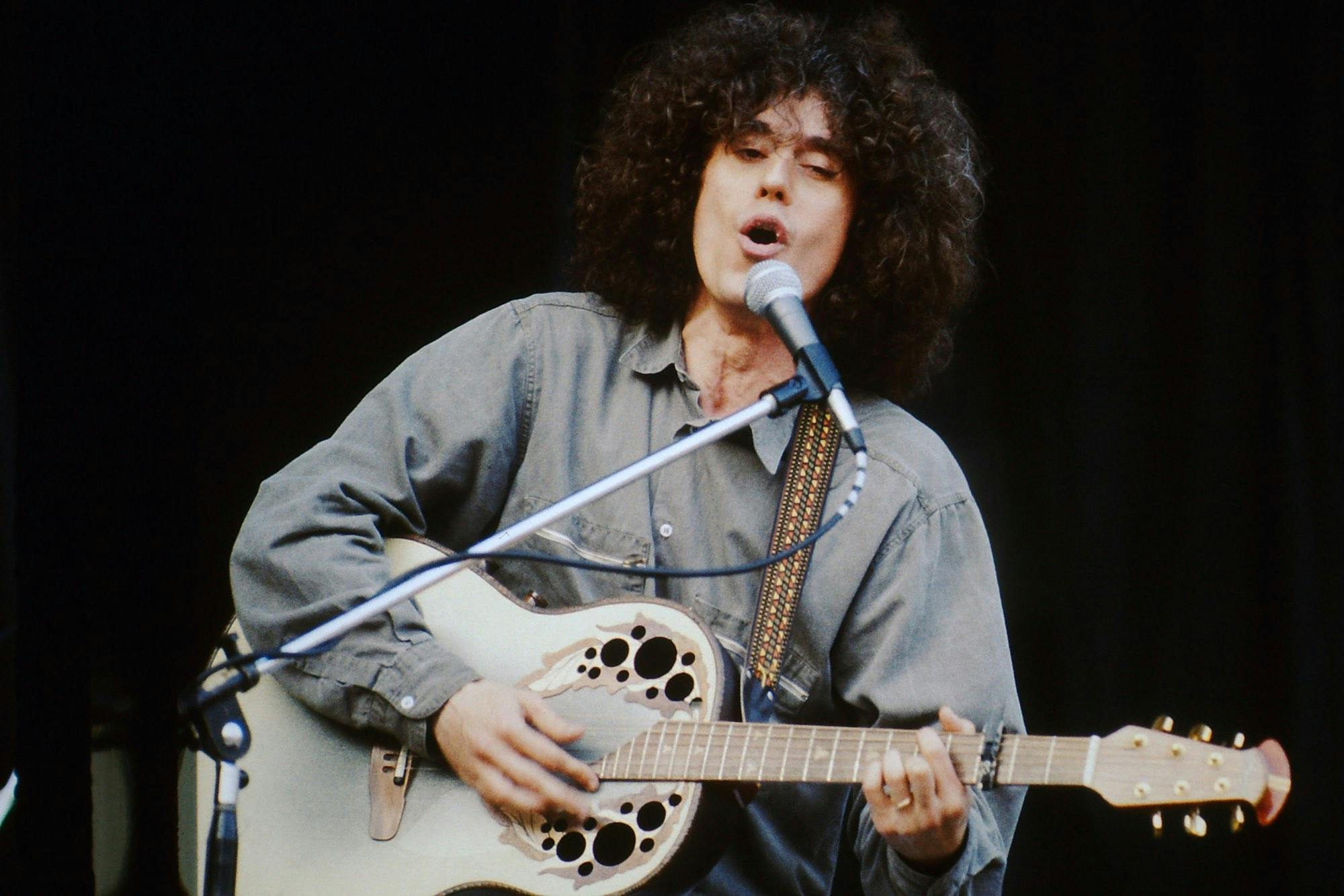
The famous Italian cantautore was born in 1950, in the province of Milan.
After learning to play the violin in Genoa, where he grew up, Angelo returned to his hometown, where he studied philosophy and began composing his own songs.
In 1974, he recorded his first folk-rock album, entitled “Branduardi”. Popular success greeted this first opus, and the prodigious, polyglot musician conquered other lands. In France, he seduced with his songs “La demoiselle” and “Va là où le vent te mène” (both adapted by his colleague Etienne Roda-Gil), which he declaimed in the language of Molière. He confides that he draws his inspiration from ancient music, particularly from the Middle Ages: “These are the roots of music. Deep roots that never freeze."
He went on to devote himself to film music, as he did for “Secondo Ponzio Pilato” in 1988, recording every instrument himself. A self-styled troubadour who shunned the limelight and was sparing with interviews, he quietly contributed to Italy's musical heritage. Nevertheless, he's releasing a best-of album to celebrate 40 years in the music business. The album includes two previously unreleased songs, written by Carla Bruni, including “Confessions d'un malandrin”.
In 2023, he goes back on stage, performing at festival after festival, before taking some time off.
(Céline Massart - Tr.: MH - Photo: © Etienne Tordoir)
Photo: Angelo Branduardi at the Schaerbeek Stadium in Brussels (Belgium) in May 1984.
LATEST NEWS
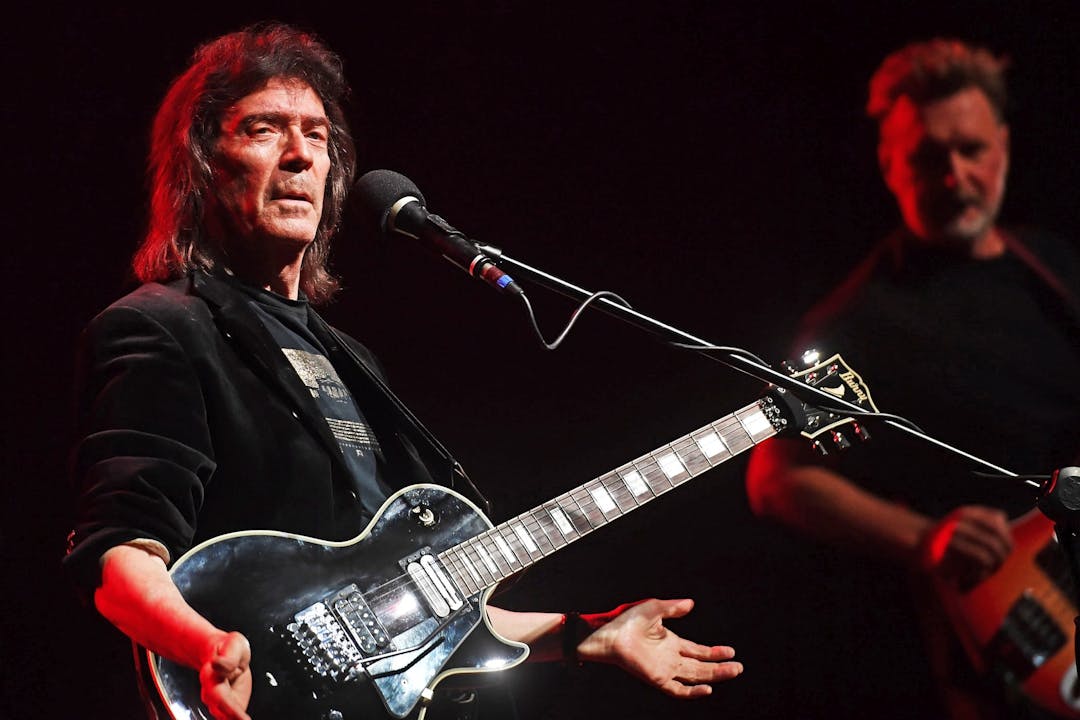
Born on February 12: Steve Hackett, Genesis guitarist for eternity...
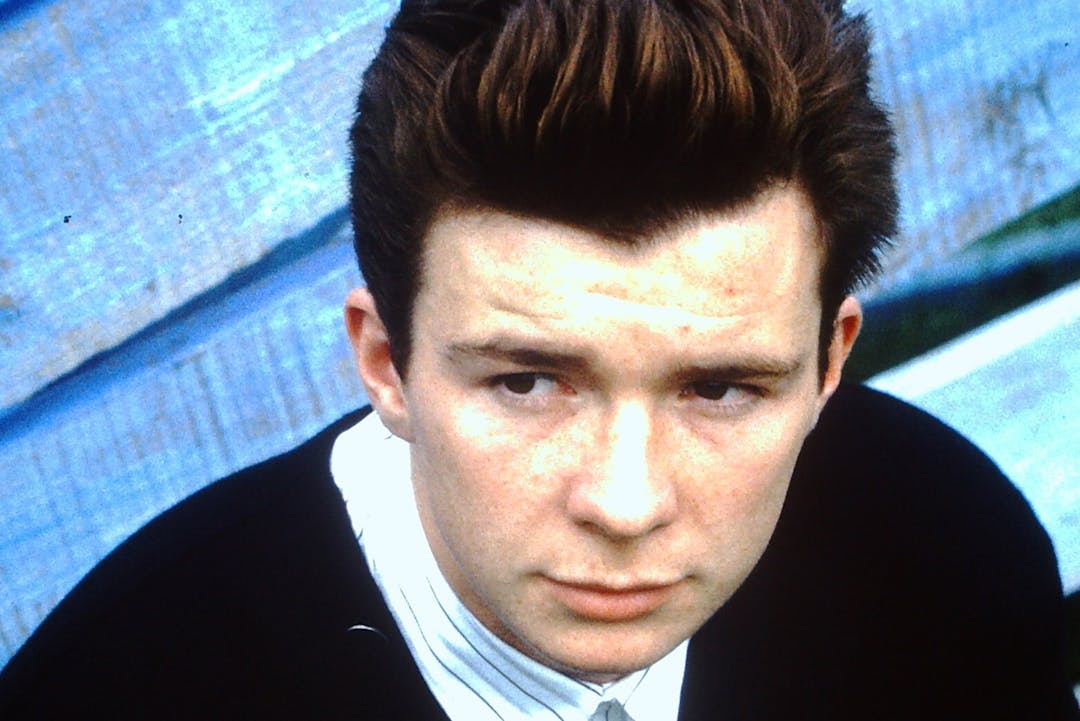
Born on February 6: Rick Astley and "Never Gonna Give You Up", the hit that became an Internet
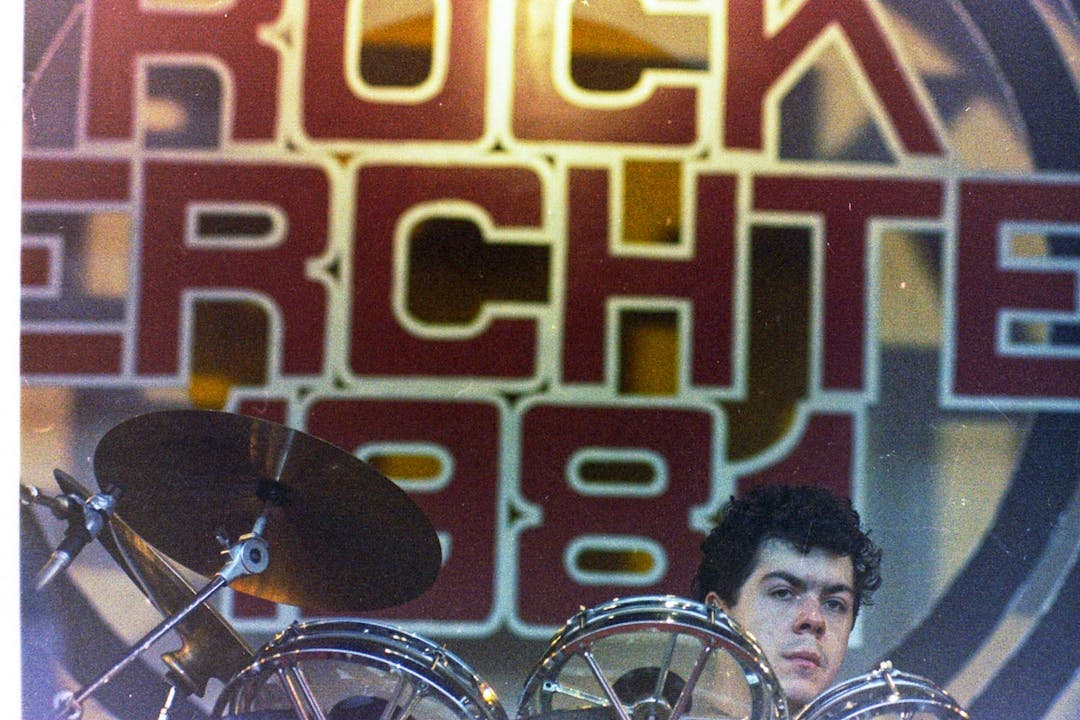
Born on February 3: Laurence Tolhurst, former drummer with The Cure, is not ready to retire
Born on January 31: Lloyd Cole, the intellectual singer, poet and philosopher

Born on January 30: Phil Collins, initially a drummer
Born on January 28: Jean-Louis Murat, poet and rebel singer
Quick links